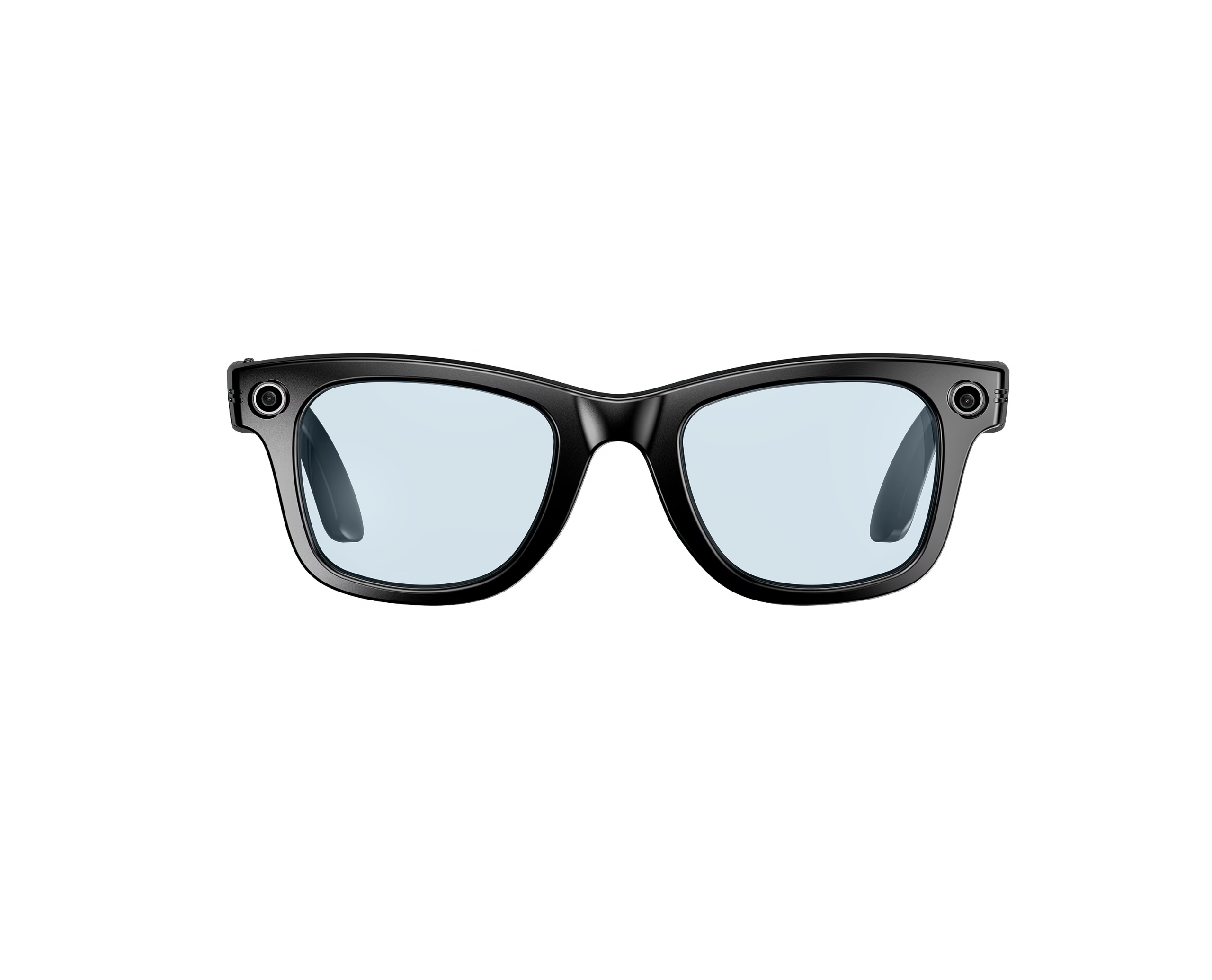
Imagine you want to listen to music or take calls outside, but you also need to hear what is happening around you. Most people think open-ear audio smart bluetooth glasses are better for daily use. They let you enjoy sound and still notice your surroundings. You can hear cars, people, and other important noises without covering your ears. Many people pick these glasses because they feel comfortable and safe. Some people like bone conduction glasses because they worry about sound leaking or want more privacy. Open-ear audio also helps stop your ears from getting tired and keeps your ears clean since nothing goes inside your ear canal.
Key Takeaways
-
Open-ear audio smart glasses give clear sound and feel comfortable. They are good for daily use and outdoor fun.
-
Bone conduction glasses help people who need open ears. But, they might not sound as good as open-ear audio.
-
Pick open-ear audio glasses for exercise, travel, and work. You can hear music or calls and still notice things around you.
-
Find smart glasses that are light and look nice. This helps you feel good wearing them for a long time and lets you show your style.
-
Both types help your ears stay healthy. They keep ear canals open, lower tiredness, and help you stay aware of what is happening nearby.
Quick Verdict: Open-Ear Audio or Bone Conduction?
Which Technology Is the Best Choice for Most Everyday Users?
If you need smart bluetooth glasses for daily use, open ear audio is usually best. You get clear sound and comfort. You can also hear what is happening around you. Most people think open ear audio glasses are easier to wear for a long time. Bone conduction technology is good for special needs. But open ear audio works better for most daily situations.
Key Differences Summarized
-
Open ear audio smart bluetooth glasses have better sound quality and sound more natural.
-
Bone conduction technology is helpful if you need your ear canals open or work in loud places.
-
Open ear audio glasses are lighter and look more stylish. Bone conduction models can feel heavier.
-
Most people think open ear audio smart bluetooth glasses are more comfortable, stylish, and work better.
Sound Quality
Open ear audio smart bluetooth glasses give you richer and clearer sound. You can hear deep bass and clear voices. This makes music and calls more fun. Air conduction lets you hear many different sounds. Bone conduction technology has trouble with bass and can sound flat. Many people say open ear audio feels more real and exciting.
Comfort & Fit
You want smart bluetooth glasses that feel good all day. Open ear audio designs are light and fit well. You can wear them while running, biking, or working. Bone conduction glasses might feel heavier. They can be uncomfortable if you wear them for a long time.
Safety & Awareness
Open ear audio smart bluetooth glasses help you stay alert. You can hear music or calls and still notice cars, people, or alarms. This is good for outdoor activities and commuting. Bone conduction technology also helps you stay aware. But open ear audio usually feels more comfortable and natural.
Use Cases
Open ear audio smart bluetooth glasses are great for fitness, travel, office work, and daily life. You can listen to music, take calls, and stay connected. You do not block out the world. Bone conduction technology is best for swimming or when you need your ears open. But open ear audio is better for most people.
How Open Ear Audio and Bone Conduction Work
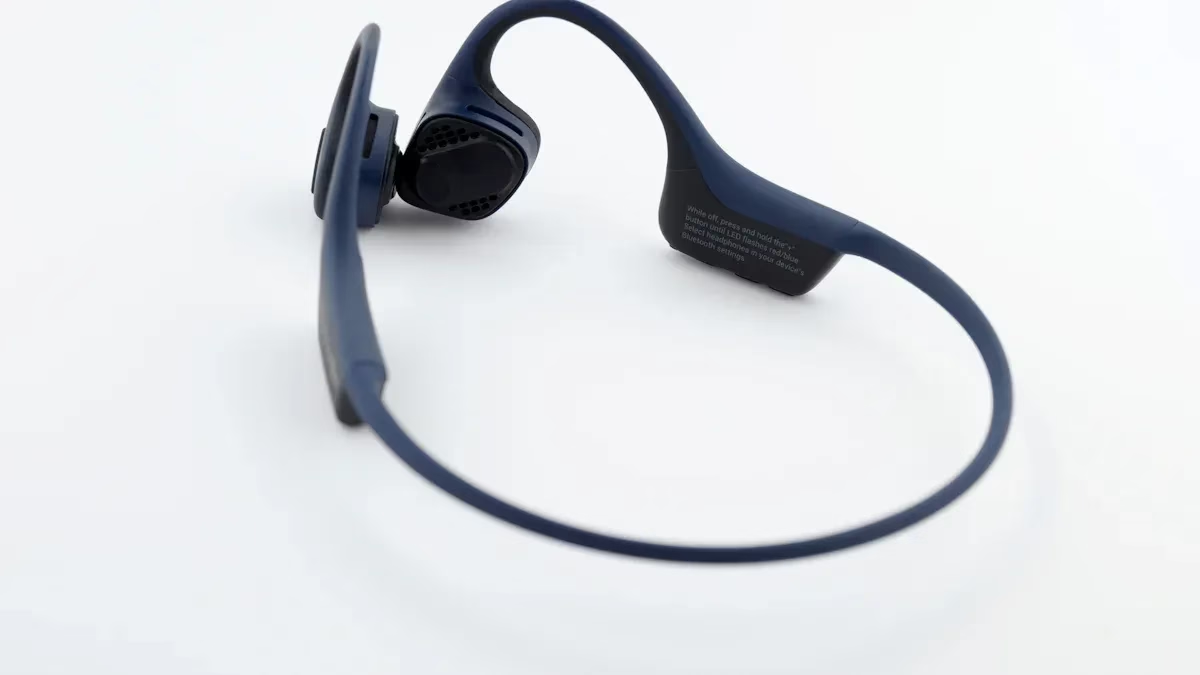
Open Ear Audio Technology
Open-ear audio technology lets you listen to music or calls while staying aware of your surroundings. You do not need to put anything inside your ears. Instead, small speakers sit in the arms of your glasses. These speakers send sound directly toward your ears. You hear your audio clearly, but you can also hear what is happening around you. This makes open-ear audio a safe choice for walking, biking, or working in busy places.
The speakers in open-ear audio glasses use a special design. Directional speakers focus sound straight into your ears. This helps you enjoy music with less sound leaking out. You get a more private and immersive experience. Many smart glasses use MEMS speakers because they are small and fit well in the frame. The frames stay light and comfortable, so you can wear them all day.
Open-ear audio technology gives you a natural listening experience. You do not feel isolated from the world, and your ears stay cool and comfortable.
Here is a quick look at the main parts of open-ear audio smart glasses:
|
Component/Feature |
Description |
|---|---|
|
Directional Speakers |
Send sound directly to your ears, reducing sound leakage. |
|
Lightweight Frames |
Make the glasses easy to wear for long periods. |
|
Open Design |
Keeps your ears open for better awareness and comfort. |
|
MEMS Speakers |
Small and powerful, fit inside the frame for great sound. |
Bone Conduction Explained
Bone conduction technology works in a different way. Instead of sending sound through the air, it uses gentle vibrations. The glasses have special pads that rest on your cheekbones. When you play music or take a call, these pads vibrate. The vibrations travel through your bones and reach your inner ear. You hear the sound without blocking your ear canal.
You keep your ears open, so you can still hear traffic, voices, or alarms. This makes bone conduction useful if you need to stay alert. Some people with hearing loss also use bone conduction because it bypasses the eardrum.
-
It vibrates your cheekbones directly.
-
Your ears stay open, so you remain aware of your environment.
Bone conduction gives you another way to listen, but the sound may feel different from regular headphones. You might notice more vibrations, especially when you turn up the volume. Still, this technology helps you stay connected and aware at the same time.
Smart Bluetooth Glasses Comparison
When you look for the best smart glasses, you want to know how they compare in real life. This section gives you a clear side-by-side view of open-ear audio and bone conduction smart glasses. You will see how they perform in sound quality, comfort, safety, battery life, price, and use cases.
Sound Quality
Sound quality matters when you choose smart glasses. Open-ear audio smart glasses, like the HYQ Smart Audio Glasses W600, use tiny speakers in the frame. These speakers send sound straight to your ears. You get clear music and voices. Many users say the sound feels natural and full. You can enjoy deep bass and crisp highs. Bone conduction smart glasses work differently. They use gentle vibrations on your cheekbones. Some people notice less bass and a flatter sound. You may feel the vibrations, especially at higher volumes.
Here is a quick look at how some popular models rate for sound quality:
|
Model |
Rating |
Reviews |
Comments |
|---|---|---|---|
|
HYQ Smart Audio Glasses W600 |
4.7 out of 5 |
210 |
‘Clear, immersive sound. Great for daily use.’ |
|
Shokz OpenDots ONE |
4.6 out of 5 |
308 |
‘The sound is good for open ear headphones. More bass.’ |
|
Shokz OpenMove |
4.5 out of 5 |
1288 |
‘Sounds good. It is bone conduction after all.’ |
|
4.6 out of 5 |
614 |
‘Great bone conduction. Also great for working professionals.’ |
You will notice that open-ear audio smart glasses often get high marks for audio quality. Bone conduction models do well, but many users prefer the richer sound from open-ear designs.
Comfort & Fit
Comfort is important if you wear smart glasses all day. Open-ear audio smart glasses feel light and easy to wear. The HYQ Smart Audio Glasses W600 use a lightweight frame that fits most face shapes. You can wear them for hours without pressure or pain. Bone conduction smart glasses also try to be comfortable. They use flexible frames and soft pads. Some people feel the vibrations after long use.
Manufacturers now make smart glasses in different sizes and shapes. This helps you find a pair that fits your face. Adjustable frames mean you can wear your smart glasses for a long time without discomfort.
Here is a table showing comfort features:
|
Product Name |
Comfort Features |
Fit Features |
|---|---|---|
|
HYQ Smart Audio Glasses W600 |
Lightweight PC frame, ergonomic design, IP65 waterproof |
Adjustable fit, secure for active use |
|
OpenRun Pro 2 |
DualPitch tech, ergonomic fit, weight-optimized frame |
Secure fit, stable during workouts |
|
OpenMove |
Lightweight titanium, open-ear for awareness |
Versatile fit for daily use |
|
OpenRun Pro |
9th gen bone conduction, all-day comfort |
Flexible titanium frame, secure for activity |
You can see that both types of smart glasses focus on comfort and fit. Open-ear audio smart glasses often feel lighter and less bulky.
Safety & Awareness
Safety is a big reason people choose smart glasses. Open-ear audio smart glasses let you hear music and calls, but you still notice cars, people, and alarms. This helps you stay safe when you walk, bike, or work outside. The open design keeps your ears free. You do not miss important sounds around you.
Bone conduction smart glasses also help you stay aware. They do not block your ears. You can multitask and listen to your surroundings at the same time.
Tip: Open-ear audio smart glasses are great for social settings. You can talk to friends and hear your music without missing a thing.
Here are some safety features you get with smart glasses:
-
You stay aware of your environment.
-
You can multitask safely.
-
The open design helps with social interaction.
Battery Life
Battery life tells you how long you can use your smart glasses before charging. Open-ear audio smart glasses usually last longer. Many models, like the HYQ Smart Audio Glasses W600, give you up to 10 hours of music playback. Some open-ear audio smart glasses can last up to 20 hours. This means you can use them all day at work or school.
Bone conduction smart glasses often last about 5 to 7 hours. You may need to charge them more often if you use them a lot. In real-life tests, users say open-ear audio smart glasses last longer for daily activities.
Price & Value
When you buy smart glasses, you want good value for your money. Open-ear audio smart glasses give you many features. You get music, calls, and sometimes even cameras or voice assistants. The HYQ Smart Audio Glasses W600 offer a camera, waterproof design, and long battery life. Many users say these features make smart glasses a good deal.
Bone conduction smart glasses are also popular. People like them for comfort and safety. Some models cost less, but you may get fewer features. You need to decide if you want more functions or a lower price.
Here are some things users look for in value:
-
Multifunctional features (music, calls, camera)
-
Comfort for long wear
-
Good battery life
-
Stylish design
Use Cases
Smart glasses fit many parts of your life. You can use them for fun, work, or sports. Open-ear audio smart glasses work well for fitness, commuting, and office work. You can listen to music, take calls, and stay aware of your surroundings. The HYQ Smart Audio Glasses W600 are great for outdoor runs, bike rides, or daily travel.
Bone conduction smart glasses are good for people who need their ears open all the time. They help in loud places or for people with hearing needs.
Here is a table of popular use cases:
|
Use Case |
Description |
|---|---|
|
Consumer Electronics |
Use smart glasses for entertainment, calls, and even augmented reality. |
|
Healthcare |
Doctors and nurses use smart glasses for patient care and remote help. |
|
Industrial |
Workers use smart glasses for training and safety on the job. |
|
Sports & Fitness |
Athletes use smart glasses for music, coaching, and tracking performance. |
You can pick smart glasses that match your lifestyle. If you want to stay connected and safe, open-ear audio smart glasses are a strong choice. If you need special features, bone conduction smart glasses may fit your needs.
Note: Smart glasses are perfect for outdoor activities where you need to hear what is happening around you.
Smart Glasses Comparison Table
Here is a quick comparison of key features:
|
Feature |
Open-Ear Audio (HYQ W600) |
Bone Conduction (Shokz OpenRun Pro 2) |
|---|---|---|
|
Sound Quality |
Rich, immersive, deep bass |
Clear, less bass, more vibration |
|
Comfort & Fit |
Lightweight, ergonomic |
Flexible, may feel vibrations |
|
Safety |
High situational awareness |
High situational awareness |
|
Battery Life |
Up to 10 hours |
5-7 hours |
|
Price & Value |
Multifunctional, stylish |
Focused on safety and comfort |
|
Use Cases |
Fitness, work, travel |
Sports, noisy environments |
You can see that smart glasses offer many choices. Think about what matters most to you. Do you want better sound, longer battery life, or more features? Smart glasses can fit your needs in many ways.
Open-Ear Designs in Everyday Life
Fitness & Sports
You want to stay active and safe during your workouts. Open-ear designs let you listen to music or coaching tips while you run, cycle, or play sports. You do not block your ears, so you can hear traffic, teammates, or important sounds around you. Many athletes choose open-ear designs for extended wear because they do not cause ear fatigue. You can enjoy your playlist and still stay alert on the track or field.
Tip: Open-ear designs help you keep your focus on your surroundings, making outdoor exercise safer.
Commuting & Travel
When you travel or commute, you need to stay aware of your environment. Open-ear designs allow you to hear train announcements, car horns, or people talking. You can take calls or listen to podcasts without missing important sounds. Extended wear becomes easy because these glasses feel light and comfortable. You do not have to worry about ear pain during long trips.
Office & Work
In the office, you often need to multitask. Open-ear designs let you join meetings, answer calls, or listen to instructions while still talking to coworkers. You do not have to remove your glasses to hear someone speak. Long-term comfort matters when you wear smart glasses all day at work. Open-ear designs help you stay connected and productive.
Outdoor Use
You spend time outside for fun or chores. Open-ear designs work well for walking, gardening, or shopping. You can enjoy music and still hear birds, people, or traffic. These glasses fit many outdoor activities. You get clear sound and safety at the same time.
Note: Open-ear designs give you freedom to enjoy audio without losing touch with the world around you.
Style and Social Perception of Smart Glasses

Design & Aesthetics
You want your smart glasses to look good. Many brands now focus on style as much as technology. Open-ear audio smart glasses, like the HYQ Smart Audio Glasses W600, use sleek frames and modern shapes. You can find them in classic colors like black or gray. The frames often look just like regular glasses or sunglasses. This helps you blend in at work, school, or social events.
Here are some design features you might notice:
-
Slim arms that hide the speakers
-
Lightweight materials for a modern feel
-
Simple buttons or touch controls that do not stand out
Tip: Choose a style that matches your daily outfits. You can wear smart glasses anywhere without feeling out of place.
Long-Term Comfort
You will likely wear your smart glasses for hours each day. Comfort matters as much as looks. Open-ear audio designs use lightweight frames and smooth edges. You do not feel pressure on your nose or ears. Many models use flexible materials that adjust to your face shape. This means you can move, work, or exercise without discomfort.
|
Comfort Feature |
Benefit |
|---|---|
|
Lightweight frame |
Less strain on your face |
|
Flexible arms |
Better fit for all users |
|
Smooth nose pads |
No pinching or slipping |
You should always try on smart glasses before buying. Make sure they feel good for long periods.
Social Impressions
People notice what you wear. Smart glasses can make you look tech-savvy and modern. You might get questions from friends or coworkers. Most open-ear audio smart glasses look like regular eyewear, so you do not stand out too much. You can wear them in meetings, at the gym, or while shopping.
-
You show that you care about new technology.
-
You look stylish and confident.
-
You stay connected without using bulky headphones.
Note: Many people see smart glasses as a sign of innovation. You can enjoy music and calls while looking sharp.
Myths About Open Ear Audio and Bone Conduction
Sound Leakage
Some people think sound leaks from smart glasses. They believe open-ear audio lets everyone hear your music or calls. But most open-ear audio glasses use special speakers. These speakers point sound right at your ears. This means you hear your music, but others do not. Bone conduction glasses also keep your sound private. The sound moves through your bones, not the air. You can wear bone conduction headphones in quiet places. They will not bother people around you. Some bone conduction earbuds give even more privacy. If you keep the volume low, sound does not leak much.
Tip: Test your smart glasses in a quiet room. Ask a friend if they can hear your music. You will see that sound leakage is not a big problem.
Hearing Health
Some people say these glasses can hurt your hearing. This is not true for most people. Both types keep your ear canals open. This helps stop ear fatigue and lowers the chance of ear infections. Bone conduction headphones do not send sound into your eardrum. You get clear sound and protect your ears. Open-ear audio also keeps you comfortable for long listening. Bone conduction earbuds are good for sensitive ears. You can listen to music and calls without worrying about hurting your hearing.
|
Technology |
Hearing Health Benefit |
|---|---|
|
Open-Ear Audio |
Keeps ear canal open, reduces fatigue |
|
Bone Conduction Glasses |
Bypasses eardrum, gentle vibrations |
|
Bone Conduction Earbuds |
Good for sensitive ears |
Durability & Water Resistance
Some people think smart glasses break easily or cannot get wet. Today’s bone conduction and open-ear audio glasses use strong materials. You can wear them outside, at the gym, or in the rain. Many bone conduction headphones are water-resistant. New bone conduction glasses often have IP65 or higher ratings. You can clean them and use them for sports. Bone conduction earbuds also resist sweat and dust. You get strong and long-lasting smart glasses.
Note: Always check the water resistance rating before using your smart glasses in wet places. Most bone conduction glasses and headphones are made for active people.
You want open-ear audio that works well every day. Open-ear earbuds feel comfy and let you hear what is around you. They are good for people who play sports, travel, or work in offices. These earbuds look nice and help keep you safe. You get great sound that feels real. Open-ear earbuds are useful for many things. You can listen to music or talk on calls. They make smart audio glasses simple to use. The sound is clear and easy to hear. Try open-ear earbuds and see how they make your day better.
Pick open-ear earbuds for a great open-ear experience. You can enjoy open-ear sound wherever you go.
FAQ
Can you use smart audio glasses in the rain?
Yes, you can use many smart audio glasses in light rain. Models like the HYQ Smart Audio Glasses W600 have an IP65 waterproof rating. This means you can wear them outside without worrying about water damage.
Do open-ear audio glasses hurt your ears after long use?
No, open-ear audio glasses feel comfortable for most people. The lightweight frames and open design help prevent ear fatigue. You can wear them for hours during work, exercise, or travel.
Will people around you hear your music?
Most open-ear audio glasses use directional speakers. This design sends sound straight to your ears. People near you usually cannot hear your music unless you turn the volume up very high.
Are smart audio glasses safe for kids?
Yes, smart audio glasses are safe for kids when used properly. The open-ear design keeps their ears open. Kids can hear important sounds around them while listening to music or calls.
How do you clean smart audio glasses?
You can clean smart audio glasses with a soft, dry cloth. For stubborn dirt, use a slightly damp cloth. Avoid using harsh chemicals or soaking the glasses in water.