The Ultimate Guide to Audio Glasses for Fitness
1 Introduction: The Revolution in Sport Audio
The rhythm of a great workout is often set by the music in your ears. For years, runners, cyclists, and outdoor enthusiasts have been forced to choose between safety and sound. We’ve all dealt with the major pain points: earbuds that constantly fall out due to sweat, in-ear tips that cause discomfort or hygiene issues, or the most dangerous problem—the isolating effect of noise-canceling headphones that block out critical sounds like approaching traffic or warning shouts.
If you are serious about maintaining peak performance outdoors while remaining fully connected to your environment, the solution is no longer a tiny piece of plastic jammed into your ear canal.
Welcome to the era of Bluetooth Audio Glasses (or Smart Audio Eyewear).
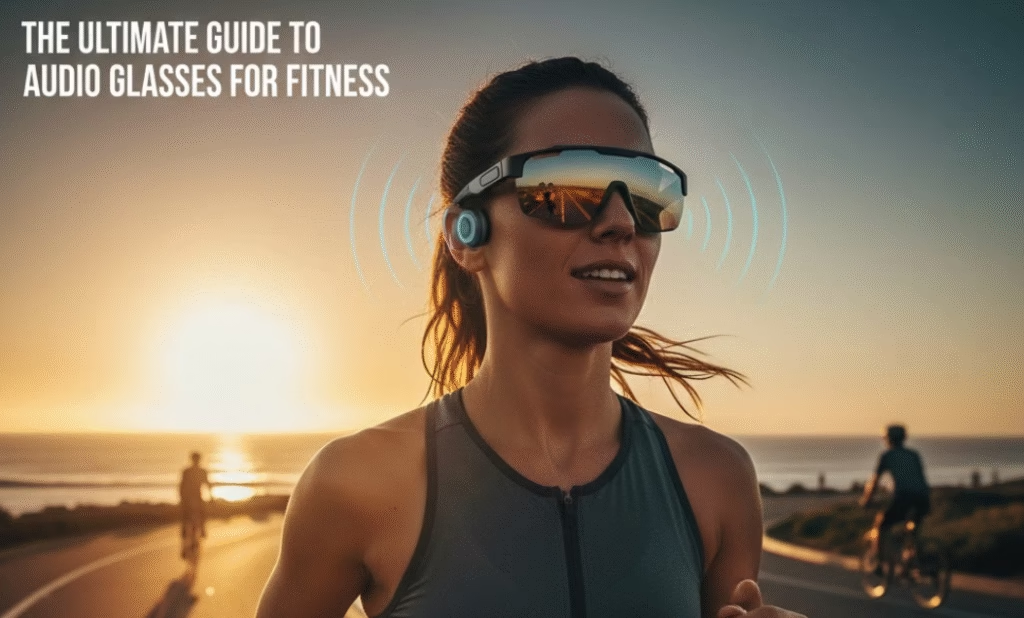
These devices are the ultimate fusion of style, personal audio, and safety gear. They look just like regular sunglasses or eyeglasses but discreetly pack directional micro-speakers, microphones, and advanced Bluetooth chips into the frames. This guide will cover the critical features, top recommendations, and essential safety benefits of using smart audio eyewear for running, cycling, and all open-air fitness activities, proving that you no longer have to sacrifice situational awareness for your perfect playlist.
2 Why Audio Glasses Are the Safer, Smarter Choice for Athletes
For athletes who train outside, the shift from traditional audio devices to open-ear glasses is fundamentally about improving safety and comfort without compromising sound quality. This technology addresses the core challenges that earbuds and bulky headphones present to an active user.
2.1The Safety Advantage: Situational Awareness is Paramount
The number one feature that distinguishes audio glasses for fitness is their Open-Ear Technology. Unlike earbuds, the tiny, directional speakers embedded in the temples of the glasses sit just above your ears, projecting sound directly to you without blocking your ear canal.
-
The Runner’s Dilemma Solved: You can clearly hear your music or podcast while simultaneously listening for approaching cars, fellow runners warning you about an obstacle, or important sounds like a dog barking nearby. This blend of entertainment and awareness is a game-changer for urban and trail running safety.
-
The Cyclist’s Necessity: When cycling, especially near traffic, being able to hear your environment is a non-negotiable safety requirement. Audio glasses provide hands-free calling and GPS directions without forcing you to choose between your route instructions and hearing the world around you.
2.2Comfort and Hygiene for Long-Haul Training
Traditional earbuds can become a major source of discomfort and potential infection during long, sweaty workouts:
-
Zero Ear Fatigue: Since nothing enters or presses on the ear canal, you eliminate the constant pressure, rubbing, or fatigue that comes from wearing in-ear tips for hours on end.
-
Built for Sweat: The frames are designed to manage sweat and humidity, reducing the risk of your audio device falling out. Furthermore, you avoid the unsanitary buildup of moisture and earwax that often accumulates on earbud tips, making post-workout cleaning simple and fast.
2.3Seamless Hands-Free Control
When your heart rate is up and you’re focused on your pace, fumbling with a phone or tiny earbud buttons is the last thing you want to do.
Smart audio glasses feature intuitive touch controls built directly into the temple arms. A simple tap or swipe can adjust the volume, skip a track, or answer an important call, allowing you to maintain your stride, grip the handlebars, or keep your focus entirely on the road ahead.
Frequently Asked Questions (FAQs)
What is Open-Ear Technology and how does it keep me safer?
Open-Ear Technology uses directional micro-speakers embedded in the frame temples to project sound to your ears without blocking the ear canal. This allows you to simultaneously hear your music/podcast and essential external sounds (traffic, warnings, horns), drastically improving situational awareness and safety for outdoor activities.
Does the sound leak, or can people around me hear my music?
Audio glasses use highly directional speakers designed to focus sound towards your ears. At moderate volumes, sound leakage is minimal, especially outdoors. However, in quiet environments or at high volumes, some sound may be audible to those very close to you.
Are these devices waterproof or sweatproof?
Most quality smart audio glasses designed for fitness feature an IPX-rated resistance (e.g., IPX4 or higher), making them highly resistant to sweat, rain, and humidity. This design prevents the sweat-related dislodging and hygiene issues common with traditional in-ear devices.