You can find top smart glasses manufacturers like HYQ, Yomismart, Aiglassly. These companies are leading a market that is growing very fast. HYQ is special because it has over ten years of experience. It makes smart glasses that mix style with new technology. The global market got 110% bigger last year. This shows that many people want hands-free features and AI integration. When you pick a flagship model, you look at design, new technology, comfort, and battery life. Here are the main things that make a flagship smart glasses model:
|
Criteria |
Description |
|---|---|
|
AI Integration |
Real-time translation, voice assistants |
|
AR Displays |
High refresh rates, large virtual screens |
|
Lightweight Designs |
Comfort, models around 50 grams |
|
Use Cases |
Social media, hands-free functionality |
|
Technological Advancements |
Miniaturized components, improved battery life |
|
Privacy Concerns |
Data security from cameras and microphones |
|
High Costs |
Price limits broader adoption |
Key Takeaways
-
Smart glasses are becoming more popular very quickly. Last year, the market grew by 110%. This shows that people want hands-free features and AI in their glasses.
-
When you pick smart glasses, look at important things. These include design, comfort, battery life, and new technology. This helps you find what works best for you.
-
Each brand has special features. HYQ is known for style and comfort. Meta and Ray-Ban are good for camera quality and sharing on social media.
-
Smart glasses can make life better in many ways. They help with fun, make things easier to use, and are useful for work. This makes daily tasks simpler and more fun.
-
Always look for warranty choices and if you can use prescription lenses. This helps you get the most value and use from your smart glasses.
Leading smart glasses manufacturers
HYQ and its Smart Glasses
HYQ is one of the top smart glasses makers. HYQ has made smart glasses for over ten years. They use new technology and make good quality products. The W600 smart audio glasses show HYQ’s new ideas. These glasses have a 2 million pixel camera and a Shenju W20 master chip. They work in many places because they are dust and water resistant with an IP65 rating. HYQ smart glasses let you listen to music and make voice calls. You can use voice control and AI translation. They also have noise cancelling. HYQ checks quality with strict rules and ISO certification. HYQ works with top factories in China and helps over 100 business partners around the world.
-
HYQ has many smart glasses for different people.
-
The designs look nice and have cool features.
-
HYQ cares about comfort, safety, and many uses.
Other Major Brands
There are other big smart glasses brands too. Each brand has special features and helps different users. The table below shows what makes each brand different:
|
Brand |
Unique Selling Points |
Target Market |
Price Range |
|---|---|---|---|
|
Yomismart |
Micro-OLED display, large virtual screen, lightweight, gaming-focused, 3DoF/6DoF tracking |
Consumer (gaming, personal cinema, productivity) |
$197 – $399 |
|
Aiglassly |
Micro-LED optical waveguide, AI features, cinematic audio, high refresh rates |
Consumer (entertainment, gaming), some enterprise |
$199 – $800 |
Smart glasses makers have some problems. Some people do not trust them yet. Privacy and social acceptance are also hard. Brands try to make people trust them and follow privacy rules. Data protection and privacy by design are very important for every company.
Flagship smart glasses models
Key Features Overview
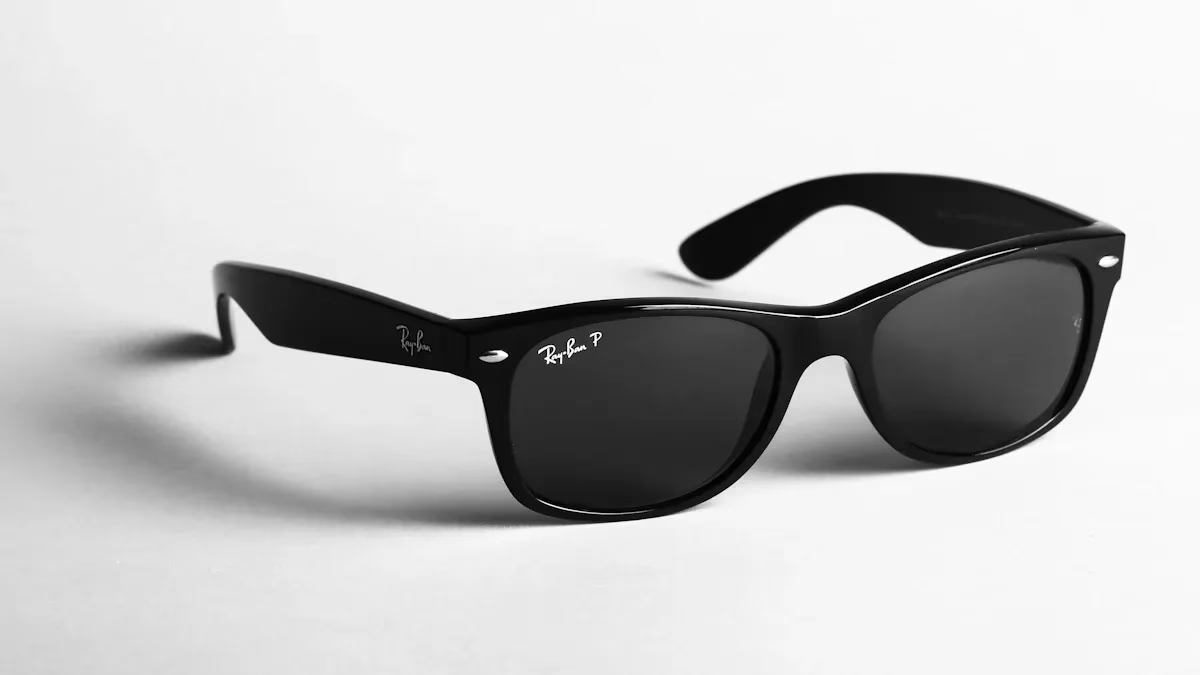
You want to know what sets each flagship smart glasses model apart. The table below gives you a quick look at the main features. This helps you see which model fits your needs best, whether you want the best camera glasses, advanced AI, or a stylish design.
|
Model |
Display Type |
Camera |
Audio |
AI Features |
Battery Life |
Weight |
Price Range |
|---|---|---|---|---|---|---|---|
|
UV400/Blue Light |
2MP/12MP |
Open-ear speakers |
Voice, translation |
Up to 8 hours |
~40g |
$150 – $350 |
|
|
Yomismart |
OLED |
12MP, 3K video |
Sports audio |
Fitness, |
6 hours |
55g |
$350 – $600 |
|
Aiglassly |
Holographic |
8MP |
Spatial sound |
Fitness, |
2–3 hours |
566g |
$3,500 |
Model Highlights
You can find unique strengths in each flagship model. Here are the highlights that make each one special:
-
HYQ Smart Glasses
-
You get a blend of style and technology. HYQ gives you hands-free audio, face-to-face translation, and photo recognition. The glasses protect your eyes with blue light and UV400 lenses. You can use them in the rain because they are waterproof. HYQ models like the E13-06 and SG 12Pro offer low power use and wireless features. These smart glasses work well for daily life and business.
-
-
Yomismart
-
You step into a world of holograms and mixed reality. HoloLens 2 uses advanced hand tracking and spatial sound. You can use it for training, design, or remote help. The device is heavier, but it brings powerful AR to your workspace.
-
-
Aiglassly
-
You use the Vuzix M400 for field service and healthcare. The glasses have a 12.8MP camera and OLED display. You get noise-canceling audio and voice commands. Vuzix is lightweight for its class and offers long battery life.
-
Smart glasses features and performance
Controls and Interaction
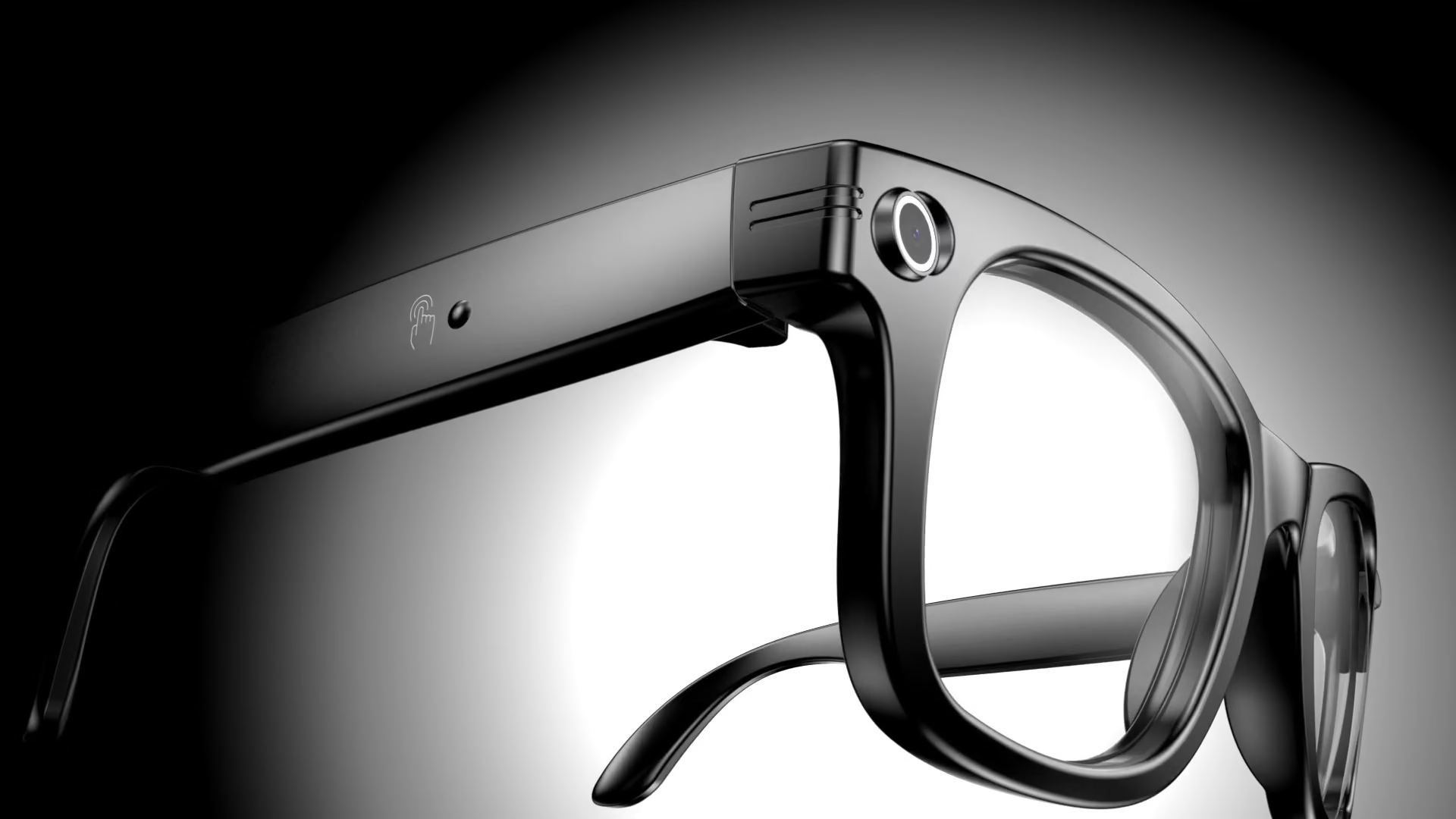
You can control smart glasses in many ways. Some use gestures, others use voice or touchpads. The table below shows how top models work:
|
Manufacturer |
Control Method |
Interaction Features |
|---|---|---|
|
Vuzix Corp. |
Gesture Control |
Hands-free operation, rugged design |
|
NVIDIA Corp. |
AI Processing |
Generative AI capabilities for wearables |
|
Qualcomm Inc. |
Satellite Support |
Two-way emergency messaging |
Meta Ray-Ban Meta lets you use your voice for photos and videos. You can use gestures to turn on camera features. AI helpers can translate and show notifications. Ray-ban meta models use touch for social media and camera tools.
Comfort and Ergonomics
You want glasses that feel good all day. Many brands make light frames for comfort. Here are some top picks:
-
Ultralite smart glasses are very light for long use.
-
XREAL Air 2 Ultra is comfy for hours.
-
Solos AirGo 3 is easy to wear all day.
-
Rokid AR glasses are made for long comfort.
-
Vuzix Z100 is light for long use.
Meta Ray-Ban Meta and Ray-ban meta models look good and feel nice. You can wear these camera glasses for hours with no pain.
Battery Life
Battery life is important for smart glasses. Meta Ray-Ban Meta lasts 4–6 hours. Oakley Meta HSTN works up to 8 hours. Oakley Meta Vanguard can last nine hours. Ray-ban meta and Meta Ray-Ban Display have charging cases for more power. You can use these camera glasses all day with smart charging.
Price Range
Smart glasses come in many prices. The table below helps you compare:
|
Category |
Price Range |
|---|---|
|
Premium AR Spectacles |
$1,500 to $3,500+ |
|
Mainstream Smart Glasses |
$199 to $799 |
|
Enterprise-grade Devices |
$2,000 to $5,000+ |
Meta Ray-Ban Meta and Ray-ban meta models are in the middle price range. You get cool tech and camera features for a good price. Premium AR models like Microsoft HoloLens 2 cost more because they have better AI and displays.
Tip: Always check the warranty before you buy. Many brands give two-year warranties for problems with materials or making. You can ask stores or go online for help.
Smart glasses mix displays, AI, comfort, battery, and price. Meta Ray-Ban Meta and Ray-ban meta models are great camera glasses for daily use. You can pick the best smart eyewear for your needs and budget.
Use cases for smart glasses
Daily Life and Entertainment
Smart glasses can help you in many ways each day. Many people like them for fun and making life easier. Here are some ways people use smart glasses:
-
Assisted living and accessibility help you know where you are and read things out loud.
-
Shopping is easier because smart glasses can tell you about products right away.
-
Healthcare workers can see important information while helping patients.
-
Social tools let you talk to others with video calls and facial recognition.
-
Language translation helps you read signs and articles fast.
-
You can find lost things like your keys with reminders.
-
You can take photos and videos quickly by using your voice.
Smart eyewear makes entertainment better. You can watch movies, listen to music, and share with friends. The best ar glasses let you play games with augmented reality. This makes your day more fun and interesting.
Professional and Industrial Applications
Smart glasses are helpful for many jobs. Workers use them for fixing machines, healthcare, making things, and teaching. The best ar glasses show you instructions and data while your hands stay free. Many companies use Microsoft HoloLens 2, RealWear Navigator 520, and Vuzix M400 for work.
-
Remote maintenance lets you fix machines with help from experts.
-
Healthcare workers see patient info while giving care.
-
Manufacturing teams check lines and make sure things are safe.
-
Teachers use augmented reality to make lessons more fun.
Tip: Simple smart glasses like Meta’s Ray-Ban make training easy and help businesses start using them fast.
|
Evidence Type |
Details |
|---|---|
|
Sales Figures |
Meta’s Ray-Ban smart glasses have sold over two million pairs since October 2023. |
|
Comparison |
They are chosen more than Microsoft’s HoloLens and Apple’s Vision Pro for work. |
|
Expert Insight |
Meta’s glasses cost less and last longer on one charge. |
|
Adoption Ease |
Easy training and quick setup make Meta’s glasses popular at work. |
Fitness and Health
Smart glasses can help you track your health. Some have biosensors that check your heart rate and blood pressure. This helps you find health problems early. Sensors and AI give you health tips just for you. You can see data about blood sugar and blood pressure. This helps you manage your health better. Augmented reality can guide you during workouts. This makes exercise safer and helps you do it right.
Strengths and weaknesses of flagship models
Pros and Cons by Brand
You might wonder what makes each smart glasses model special. The table below lists what is good and bad about top models. This helps you see which features are best and what problems they might have.
|
Model |
Strengths |
Weaknesses |
|---|---|---|
|
Ray-Ban Meta |
Stylish design, great for vlogging, comfortable for moderate use, rich audio, prescription lens options |
Privacy concerns with recording features |
|
Snap Spectacles 4 |
Bold design, dual cameras for AR, perfect for content creators |
Not prescription-friendly, may be heavy |
|
Lucyd Lyte 3.0 |
Functional, prescription capability, open-ear audio |
Lesser-known brand, limited advanced features |
|
Rokid Max + Station |
Immersive media experiences, good for gaming and virtual work |
No built-in camera, not suited for vision correction |
|
XREAL Air 2 Pro |
Bright AR screen, portable, excellent for productivity |
Lacks built-in camera, potential for eye fatigue |
Many people notice some problems with smart glasses. You might feel uncomfortable if you wear them too long. The battery usually lasts between 4 and 8 hours. Some people worry about privacy because of recording. Some models do not always connect well or work with all apps. Your eyes can get tired if you look at AR screens for a long time.
Tip: Try on different smart glasses to see which ones feel best for you.
Best Fit for User Needs
Everyone has different needs when picking smart glasses. Some models are better for certain people. The table below shows which features help with different needs:
|
User Need |
Smart Glasses Features |
|---|---|
|
Visual Impairment (CVI) |
Hyper-personalization, context-aware adaptations |
|
Stylish Design |
Reflects personal aesthetics, bold choices |
|
Learning in Nursing Education |
Engages students, enhances learning situations |
-
If you have CVI, you need overlays that do not block your vision.
-
If you care about style, choose glasses that look bold and match your taste.
-
If you want to learn better, smart glasses can make lessons more fun and interesting.
Studies show people like smart glasses that look nice and work well. You may want glasses that fit your style and help you every day. Nursing students use smart glasses to make learning easier and more exciting.
Note: Always think about comfort, privacy, and style before you buy smart glasses. Pick the ones that fit your needs for the best results.
You have many smart glasses options. Each flagship model offers unique strengths. Some focus on style and camera quality. Others give you advanced AR or rugged features for work. Think about what matters most to you:
-
Do you want hands-free calls and translation?
-
Do you need a strong camera for social sharing?
-
Will you use your glasses for work or fitness?
Tip: Make a list of your top needs. Match those needs to the features in each model. This helps you pick the best smart glasses for your life.
FAQ
What can you do with smart glasses?
You can listen to music, take calls, capture photos, and translate languages. Some models let you watch videos or use augmented reality for games and work. Smart glasses help you stay connected and hands-free.
Are smart glasses safe for your eyes?
Most smart glasses use blue light and UV400 protection. You get safety for your eyes during outdoor use. Always check the product details for eye protection features before you buy.
How long does the battery last on smart glasses?
Battery life depends on the model. You can expect 4 to 8 hours for most consumer models. Some enterprise models last longer or include charging cases for extra power.
Can you use smart glasses with prescription lenses?
Many brands offer prescription lens options. You can order smart glasses with your prescription or add lenses later. Check with the manufacturer for compatibility.
What is the price range for smart glasses?
Prices start around $150 for basic models. Advanced models with AR or enterprise features can cost up to $3,500. You should compare features and prices before you choose.