The 10 Best Audio Glasses for Running and Cycling Safety
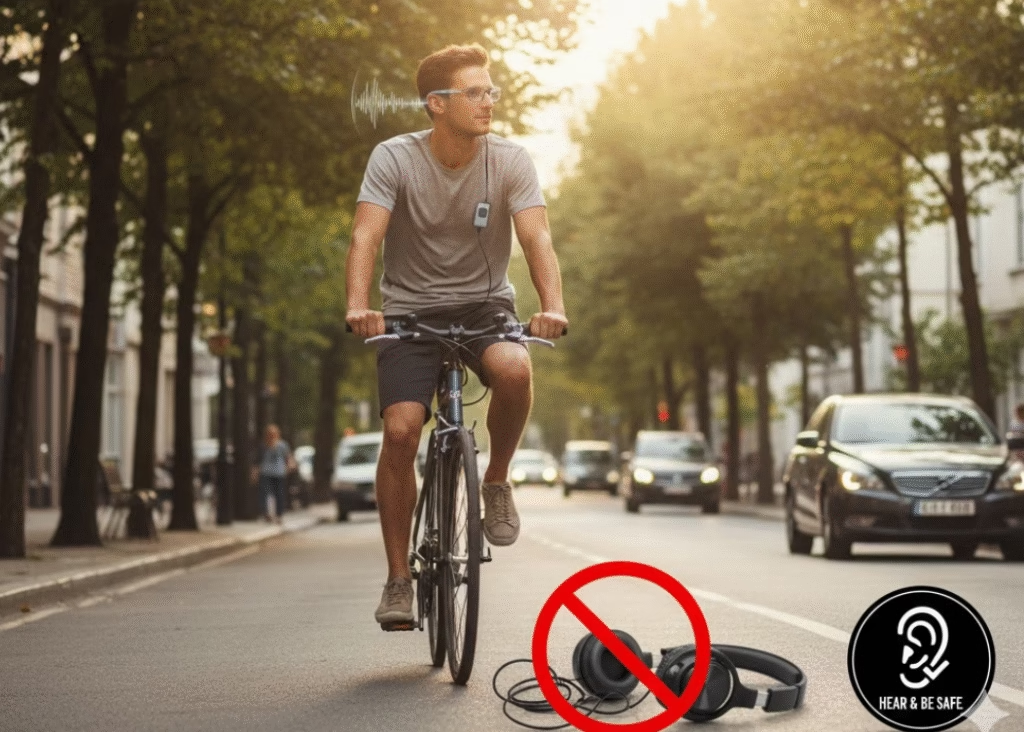
I. Introduction: The Smart Safety Upgrade
A. Recap & Urgency: Briefly reiterate the problem (traditional headphones are dangerous) and introduce audio glasses as the ideal solution for hands-free music and safety.
B. Defining “Best for Safety”: State clearly that you are prioritizing Open-Ear Design and Secure Fit over ultimate audio fidelity. The best pair lets you hear the environment clearly.
C. The 3 Types of Open-Ear Audio: Quick primer to ground the reviews:
Open-Ear Speakers (Air Conduction): (e.g., Bose, Ray-Ban Meta) – Great sound, rely on directional speakers.
Bone Conduction: (e.g., Shokz/various) – Sound via cheekbones, best ear openness, but lower fidelity.
Hybrid: (e.g., Newer Shokz/Some smart glasses) – Combining technologies.
II. Top Picks: Best-in-Class Audio Glasses (The Core 5)
Structure each review with: Model Name, Why It Made the List (Safety/Sport Feature), Key Specs Table, and Pros/Cons.
1. 🥇 Best Overall for Serious Athletes: Oakley Meta Vanguard
Why: Built specifically for high-intensity sports. Superior IP67 rating (water/dust proof) and the most secure, sport-specific fit in the smart glasses category.
Key Focus: IP67, louder open-ear speakers (6dB louder), longer battery (up to 9 hours), fitness integrations with Garmin.
2. 🥈 Best Audio & Style (Lifestyle Runner): Ray-Ban Meta Smart Glasses (Wayfarer/Headliner)
Why: Best all-around tech integration (camera, AI, controls) with excellent open-ear audio quality. Great for runs that transition into social activities.
Key Focus: Richer audio, seamless camera/video capture, strong microphone for calls, good style. Caveat: Lower IPX4 rating (splash-proof only).
3. 🥉 Best Sport-Specific Audio (The Classic): Bose Frames Tempo
Why: Designed purely for performance. Lightweight, durable, and features excellent directional audio specifically tuned for speed and wind noise.
Key Focus: Secure nylon frame, interchangeable lenses (Road, Trail, Tide), good battery life (up to 8 hours). Note: Older model, may lack modern smart features.
4. Best Pure Bone Conduction Glasses:
Why: For the runner who prioritizes maximum ambient noise transparency above all else, as the ear canal is completely untouched.
Key Focus: Bone Conduction Technology, usually lighter/simpler controls, often lower price point.
5. Best Budget Pick: [Find a highly-rated, affordable brand/model]
Why: A low-cost entry point for runners curious about open-ear tech who don’t want to invest heavily yet.
Key Focus: Price point, basic open-ear audio, decent battery life (e.g., 5-6 hours), necessary UV protection.
III. The Contenders: Other Great Options (5 More Models)
Briefly cover 5 other highly-rated or niche-specific models to round out the list to 10. (e.g., Lucyd Lyte, Soundcore Frames, various budget Amazon/eBay options, or other Oakley Meta styles like the HSTN).
IV. Buyer’s Guide: What Matters for Running Safety
This section provides final validation and an easy reference.
1. IP Rating (The Sweat Test): Explain the difference between IPX4 (splash/light sweat) and IP67 (submergible/heavy rain). Mandate: Runners/Cyclists need at least IPX4, preferably IP67.
2. Secure Fit and Materials: Look for TR-90 Nylon or similar durable/flexible materials. Must feature rubberized nose or ear grips to prevent slippage during heavy sweat/bouncing.
3. Battery Life (The Marathon Test): Ideal is $6+$ hours for long rides/runs. The case’s charging capacity is a bonus.
4. Controls: Must have easy-to-use physical or touch controls that are accessible while moving.
V. Final Verdict & Conversion
A. Quick Comparison Table: Create a simplified table comparing the Top 3 (Vanguard, Ray-Ban Meta, Bose Tempo) on Fit, IP Rating, and Price.
B. The Recommendation: End with a strong final recommendation based on user persona:
Serious Athlete: Go with Oakley Meta Vanguard.
Tech/Style Enthusiast: Go with Ray-Ban Meta.
Value/Pure Audio: Go with Bose Frames Tempo.
➡️ Next Step: Read our foundational guide for more safety tips: How to Run Safely with Music: A Guide to Situational Awareness