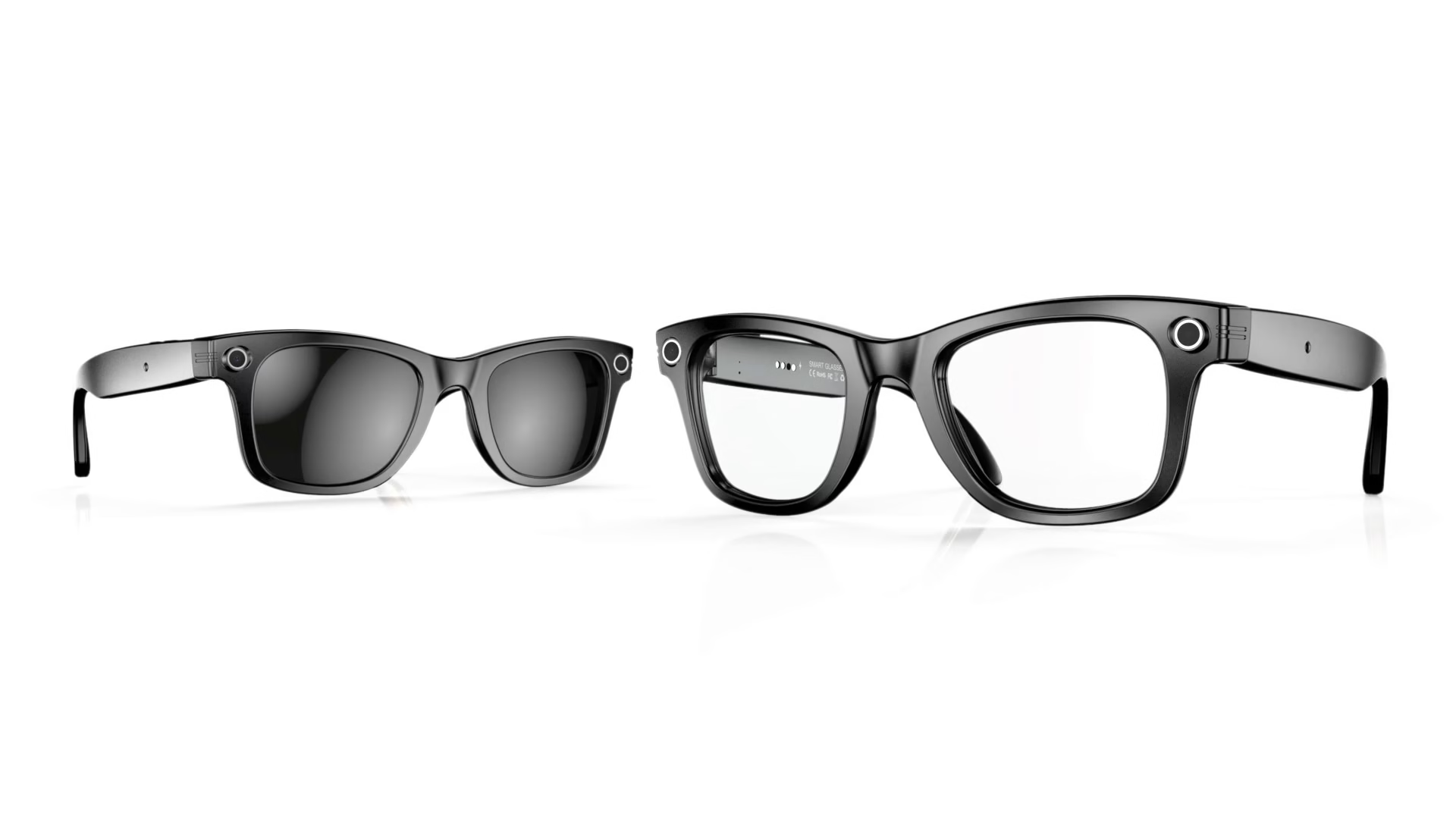
You might wonder if a glasses speaker frame is right for you. Many people say these glasses give you comfort, style, and hands-free listening. They help you hear better during calls or music. Most users—about 75%—find them more comfortable and easier to use than regular headphones.
-
Improved comfort and ease of use reported by 75% of users
Still, you may notice some sound leaks or wish for deeper audio. Think about what matters most to you before choosing.
Key Takeaways
-
Glasses speaker frames let you listen to music or calls. You do not need to use your hands. Your ears stay open, so you can hear things around you.
-
Many people say these glasses feel more comfortable. They are easier to use than regular headphones. About 75% of users like them more than headphones.
-
These glasses help people with mild hearing loss hear better. They look nice and are different from normal hearing aids.
-
You should know that sound can leak out. Other people might hear your music if it is too loud. This happens more in quiet places.
-
The battery lasts between 4 and 10 hours. You need to charge them often so they do not stop working when you need them.
Glasses speaker frame pros
Hands-free audio
Glasses speaker frame let you listen without using your hands. You do not have to put anything in your ears. You also do not need to hold a phone or device. The open-ear design lets you hear music or calls. You can still hear what is happening around you. These glasses keep you aware, unlike wireless earbuds. You can use built-in buttons to control your audio. Voice assistants are easy to use with these glasses. This makes daily life simpler. You can walk, work, or relax and still listen.
Tip: If you miss calls because you do not hear your phone, these glasses help you stay connected with less effort.
Hearing enhancement
If you have mild hearing loss, these glasses can help. They use special microphones and speech recognition. This helps you hear better, even when it is noisy. Many people say they work like expensive hearing aids. You also get a stylish look. You do not have to feel embarrassed like with regular hearing aids.
|
Description |
|
|---|---|
|
Stylish Design |
Fashionable frames that reduce stigma associated with traditional hearing aids. |
|
Open-ear Design |
Provides comfort without inserting devices into the ear canal. |
|
Directional Microphones |
Enhances signal-to-noise ratio, comparable to premium hearing aids. |
|
Speech Recognition |
Performance in noisy environments matches that of high-end hearing aids. |
|
User Satisfaction |
Positive feedback across various real-life situations, indicating effectiveness. |
These glasses can help you feel more confident. You can enjoy talking with friends again.
Discreet open-ear listening
You can listen to music or podcasts without big headphones. In quiet rooms, someone close might hear a little sound. But they usually cannot tell what you are playing. In busy places, no one will hear your audio. This gives you privacy and does not bother others.
Stylish design
You do not have to pick between style and function. Glasses speaker frame come in many colors and styles. You can match them to your look. They are light and feel good all day. The open-ear design keeps you aware of your surroundings. The speakers are hidden, so you can listen without people noticing.
|
Feature/Benefit |
Description |
|---|---|
|
Lightweight and ergonomic design |
Ensures comfort for all-day wear, making them more appealing than bulkier audio devices. |
|
Multiple frame styles and colors |
Offers personalization options that enhance style compared to standard headphones. |
|
Integration of advanced audio technology |
Provides a seamless experience of sound and vision without traditional headphones. |
|
Open-ear design |
Allows users to remain aware of their surroundings, adding to the stylish and practical appeal. |
|
Discreet directional speakers |
Ensures private listening without disturbing others, enhancing the stylish aspect of the frames. |
|
Bluetooth® connectivity |
Facilitates easy pairing with devices, adding to the modern functionality of the glasses. |
|
Prescription lens options |
Tailors the glasses to individual vision needs, combining style with practicality. |
You can get prescription lenses if you need them. This way, your glasses fit your eyes and your style.
Smart tech integration
Smart glasses do more than play music. Some models use AI to help with daily tasks. For example, some can read text out loud or tell you what objects are. This is helpful if you have trouble seeing. You can use your voice to set reminders or send messages. You can also control smart home devices with your voice. This makes things easier and gives you more freedom.
|
Feature |
Benefit |
|---|---|
|
Wireless audio inputs |
Allows for audio playback without traditional ear canal use, enhancing comfort and usability. |
|
Hands-free voice searches |
Enables users to interact with devices without needing to physically handle them. |
|
Partially transparent displays |
Provides visual information while maintaining awareness of the real-world environment. |
|
AI-driven features |
Assists users in performing tasks and enhances accessibility, particularly for visually impaired individuals. |
-
You can use voice assistants for hands-free help.
-
You can control smart home devices, set reminders, and get directions with your voice.
No matter what you are doing, glasses speaker frame can fit your day. Some are made for clear calls and comfort at work. Others are light and good for exercise. You get a flexible device that fits your life.
Smart glasses cons

Audio quality limits
Some people think smart glasses will sound amazing, but the audio is not always great. Most glasses speaker frames use very small speakers. These tiny speakers cannot make deep bass or sharp highs like big headphones. If you love music with strong sound, you will notice this. Sometimes, the sound stops or gets fuzzy, especially if you move fast or walk in busy places. You might also have trouble connecting your glasses to your phone or tablet. These problems can ruin your listening and make you upset.
Note: Many people say the audio and microphone do not always work well. You might hear static or your voice may sound unclear during calls.
If you want a movie-like sound, these glasses may not be enough. They are better for simple listening or calls, not for people who want the best sound.
Privacy and sound leakage
Smart glasses let you listen without blocking your ears, but this can cause privacy issues. Sound can leak out, especially if you turn up the volume. People sitting near you might hear your music or calls. This makes private talks less safe. Some people also worry about data safety. Smart glasses sometimes have microphones or cameras. Others may feel nervous if they think you could record them without asking. These worries can make you feel less comfortable in public.
|
Cons of Smart Glasses |
Description |
|---|---|
|
Data protection and security |
Worries about secret recordings and data leaks make people unsure about using them. |
|
Social acceptance and ethics |
Concerns about privacy and distractions can make others react badly. |
If you care about privacy or work with private things, you should think before using hearing glasses in crowded places.
Battery and charging
Battery life is a big problem. Most glasses speaker frames last only 4 to 10 hours on one charge. This is less than smartwatches or fitness bands. If you wear your glasses all day, you may need to charge them often. Some models charge fast, but you still have to remember to plug them in.
|
Device Type |
Average Battery Life |
|---|---|
|
Bluetooth Sunglasses |
4–10 hours |
|
Wireless Earbuds |
4–8 hours (plus case) |
|
Smartwatches |
1–7 days |
|
Fitness Bands |
5–14 days |
-
Charging time is about the same as other wearables.
-
Some glasses charge quickly, but you still need to plan for charging breaks.
If you forget to charge your hearing glasses, you could lose both your audio and your vision help. This can mess up your day and make your experience worse.
Comfort and fit
Comfort is very important when you wear something on your face all day. Older smart glasses felt big and strange. Newer ones look nicer, but they can still feel heavy or tight. If your face is small or you wear them for a long time, you might feel pressure behind your ears or on your nose. Some people say the fit changes over time, especially if the frames are not strong. Acetate frames last longer and bend better than regular plastic, but you still need to take care of them.
-
Cleaning and caring for your glasses helps them keep their shape and color.
-
If you want the best experience, you need a good fit. Bad comfort can ruin your time with them.
You might also have tech problems, like buttons that do not work right. These issues can make your hearing aid glasses less fun to use.
Price concerns
Smart glasses can be very expensive. Prices go from a few hundred to thousands of dollars. This makes them cost more than normal headphones or glasses. If you want prescription lenses, the price goes up even more. Many people think the cost does not match what you get. You might pay more for style and ease, but not everyone thinks it is worth it.
|
Cons of Smart Glasses |
Description |
|---|---|
|
Costs and affordability |
High prices, from €200 to over €3,000, make it hard for many people to buy them. |
|
Content ecosystem and apps |
Not enough good apps makes people less interested in using them. |
If you only need simple audio or vision help, you may find cheaper things that work just as well. The high price can stop people from buying, especially if they want the best sound.
📝 Quick Recap:
Audio quality may not be good enough for music fans who want deep sound.
Privacy and sound leaks can be a problem in public.
Battery life is shorter than many other wearables.
Comfort and fit are different for everyone, and some frames need care.
Prices are high, and not everyone thinks the experience is worth it.
If you care most about style, ease, or mild hearing help, smart glasses might be good for you. If you want the best sound, privacy, or a cheap choice, you may want something else.
Pros vs. cons comparison
When you check out glasses speaker frames, you will see good things and some problems. Let’s look at both sides so you can see if these smart glasses work for you.
|
Pros (Advantages) |
Cons (Disadvantages) |
|---|---|
|
Sound leakage |
|
|
Situational awareness |
Limited battery life |
|
Stylish and discreet design |
Lower audio quality than headphones |
|
Smart tech integration |
Comfort and fit issues |
|
Hearing enhancement |
High price |
|
Lightweight and portable |
Social etiquette concerns |
You can listen to music or calls without using your hands. You can still hear what is happening around you. These glasses help you talk with others and stay safe when walking or biking. They also look cool and have smart features like voice assistants and reminders. If you need hearing help, these glasses might work better for you than regular hearing aids.
But there are some downsides. Sound can leak out, especially in quiet places. People near you might hear your music or calls, which can feel weird. The battery does not last long, so you may need to charge often. This can stop you from using them when you want. The sound is fine for calls and podcasts, but not as good as top headphones, especially in loud places. Some frames feel heavy or tight, and they can cost a lot.
💡 Tip: Where you use these glasses matters. In busy places, sound leaking is not a big deal. At home or in quiet rooms, you should turn the volume down.
Here is a quick list to help you compare:
-
You stay aware of your surroundings, so you stay safe.
-
You get a light and easy-to-carry device for daily use.
-
You might have battery and comfort problems if you wear them for a long time.
-
You could have social problems if sound leaks during talks.
If you want style, ease, and cool tech, these glasses are special. If you care most about sound or privacy, you may want something else.
Who should buy?
Best users
You might ask if glasses speaker frames are for you. If you want a phone tool that is easy to use, these glasses could work well. Many adults over 18 with mild or moderate hearing loss like these glasses. They help you hear better, even in loud places. If you already wear glasses, you can get hearing help and clear vision in one device. You do not need to carry extra things.
People who want a hidden hearing tool often pick bluetooth glasses. You can wear them all day, at work or outside. Public speakers like that they get feedback on how loud they talk. This makes it easier to speak well. Audio calibration helps you hear better in different places. If you want to hear music or calls and still know what is around you, these glasses are special.
-
Adults with mild or moderate hearing loss
-
People who wear glasses and want hearing help
-
Public speakers who want voice feedback
-
Users who want a stylish, hidden device
-
Anyone who wants hands-free audio for daily life
Tip: Some smart glasses have extra features for people who want a good screen or help with virtual reality.
Who may skip
Not everyone will like glasses speaker frames. If you care a lot about sound, you might not be happy. The sound is not as good as regular Bluetooth speakers. People who love music with deep bass and sharp highs may want something else. If you worry about privacy, you might not like that others can hear your audio. Open-ear designs can let sound out, which can feel weird in quiet places.
You may also skip these glasses if you want to save money. They cost more than normal headphones or glasses. If you do not need hearing help or smart features, you might find cheaper things that work fine.
-
People who want the best sound
-
People who need strong privacy for calls or music
-
Users who want cheap audio devices
-
Anyone who does not wear glasses or want extra tech
Note: If you only want simple audio or vision help, you can find cheaper and more private choices.
You have seen the main pros and cons of glasses speaker frames. These glasses offer hands-free audio, style, and some hearing help. You might notice sound leaks, short battery life, or a high price.
-
If you want easy listening and a modern look, these glasses could fit your life.
-
If you care most about sound quality or privacy, you may want to look at other options.
Think about what matters most to you before you decide. Your needs should guide your choice.
FAQ
Can I use glasses speaker frames with my phone?
Yes, you can. Most glasses speaker frames connect to your phone using Bluetooth. You just pair them like wireless earbuds. You can listen to music, take calls, and use voice assistants right from your glasses.
Do people around me hear my audio?
Sometimes, yes. If you turn up the volume, people close to you might hear a little sound. In busy places, it is hard for others to notice. For private calls, keep the volume low.
Are glasses speaker frames safe for my ears?
Yes, they are safe. The open-ear design lets you hear your surroundings. You do not put anything in your ears. This helps reduce ear fatigue and keeps you aware of what is happening around you.
How long does the battery last?
Most glasses speaker frames last 4 to 10 hours on one charge. Battery life depends on how much you use them. You should charge them every night if you use them all day.
Can I get prescription lenses for these glasses?
You can! Many brands let you add prescription lenses. You get clear vision and smart features in one frame. Just check with the brand or your eye doctor before you buy.